OSJ BLOGS · SKIN & HAIR EDUCATION · OCTOBER 2026
Hair grows and sheds in cycles
Hair shedding is a normal part of the hair-growth cycle. Follicles spend time growing, resting and shedding, so seeing some hairs in a shower or on a brush does not automatically mean that you are going bald. The amount people notice varies with hair length, washing routine and individual circumstances.
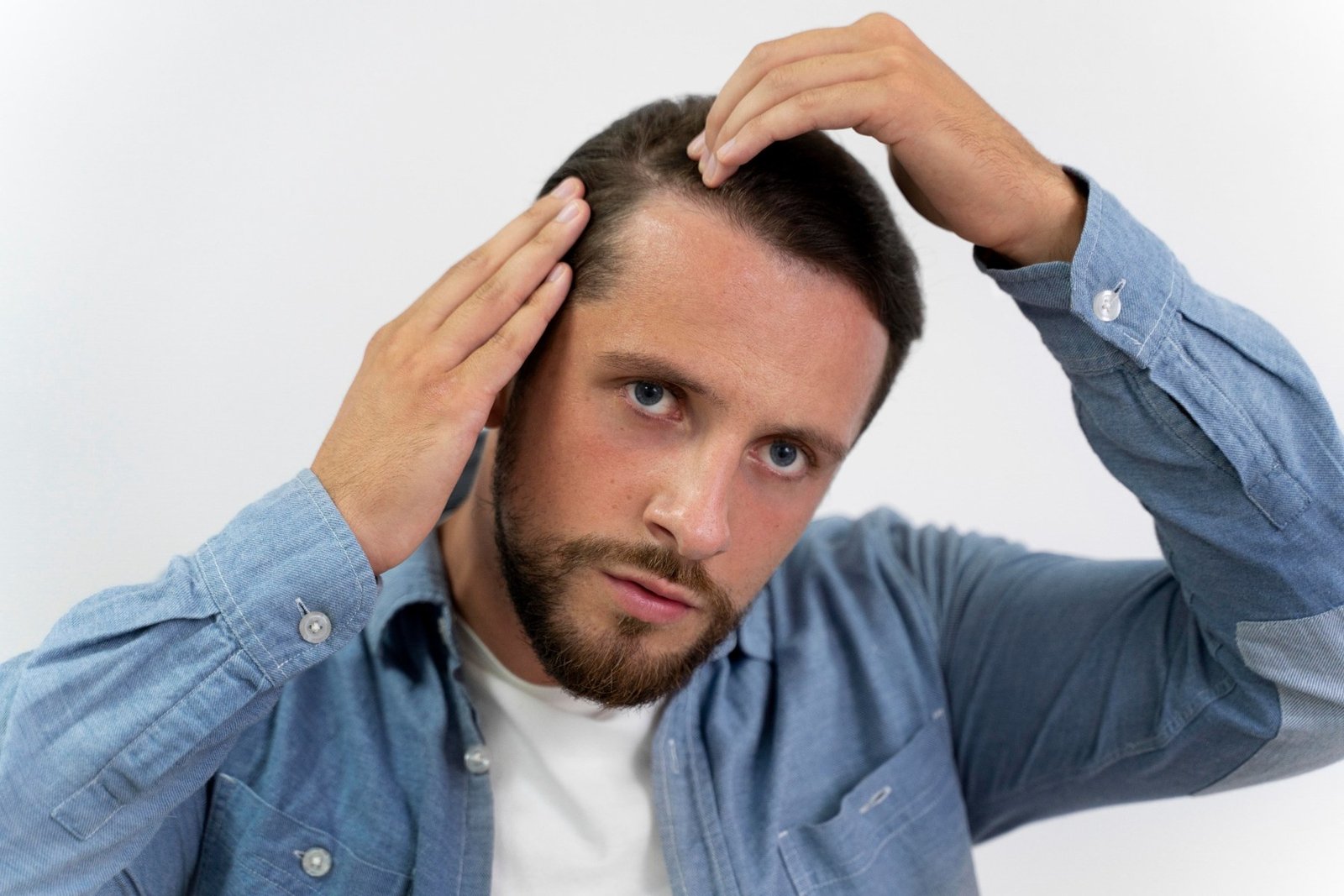
More important than counting each strand is noticing a change from your usual pattern: sudden increased shedding, a widening part, visibly thinner areas or patches of hair loss are reasons to explore the cause.
Different patterns can suggest different causes
Diffuse shedding across the scalp may look different from a gradually receding hairline, a widening part or a clearly defined patch. Scalp symptoms such as itching, scaling, tenderness, redness or soreness also matter. Hair loss may be linked to family history, temporary shedding, scalp conditions, nutritional factors, medications or other medical issues.
A photograph can help document a change over time, but it cannot identify the cause on its own. Avoid diagnosing yourself from social media comparisons.
Useful details to note before a consultation
Try to remember when you first noticed the change, whether it was sudden or gradual, and whether it affects the whole scalp or one area. Recent illness, major stress, weight changes, dietary changes, new medicines, hairstyles that pull tightly and a family history of thinning may be relevant.
You can also note scalp symptoms, how often you wash your hair and any oils, supplements or treatments you have started. This history can help a clinician decide which questions, examination or tests are appropriate.
Gentle habits that support hair care
Handle wet hair carefully, detangle without pulling and avoid repeatedly tightening hairstyles. Reduce harsh heat styling and chemical processing when your hair or scalp is already fragile. A balanced diet and adequate nutrition support general health, but indiscriminate supplements are not a substitute for identifying a deficiency or underlying cause.
Products labelled for “hair growth” may not have the same evidence or suitability for every type of loss. Review ingredients and seek advice if you are considering medicines or procedures.
When is professional assessment important?
Consider an assessment if thinning is progressive, shedding is unusually heavy for you, a patch appears suddenly, or you have scalp redness, pain, scales or a rash. Scarring, inflammation and some scalp conditions need timely evaluation.
The clinical approach depends on the pattern and suspected cause. Depending on the findings, a clinician may discuss observation, scalp care, laboratory investigations, medication or other options. No single procedure is appropriate for every person.
Questions worth asking about treatments
If PRP, a transplant or another intervention is discussed, ask what condition is being treated, how suitability is assessed, what limitations or side effects exist and whether any ongoing treatment is required. It is reasonable to ask what evidence supports an option and whether less invasive approaches should be considered first.
A thoughtful plan begins with understanding why the hair is changing, not with choosing a procedure from an advertisement.
This article is for general education and does not replace clinical assessment, examination or individual medical advice. Material requires clinical review before public release.